Summary
Several thoughts and images are commonly associated withThe Twilight Zone: the creepy opening theme, creator Rod Serling’s bookend commentary, and, of course, the surprise endings. The franchise’s best episodes follow a strict structure that foreshadows logical twists without giving too much away—although there are certainly tales that throw caution to the wind and go in crazy directions.
However, at its best,The Twilight Zonedelivers twists that stick in the memory and stand the test of time. In the more than five decades since viewers took their first steps into this mystical realm,the series has had its imitators, but few deserve the same respect as Serling’s masterpiece.

8"The Man In The Bottle" (Season 2, Episode 2)
The Twilight Zone’s twists can be shocking, thought-provoking, and heartbreaking. However, they can also be incredibly goofy. “The Man In The Bottle” more than delivers for those looking for silliness. The episode concerns an elderly couple who discover a genie in a bottle.As often happens in such stories, their wishes don’t turn out exactly as planned.
At first, the couple’s demands are reasonable enough: they want to repair a broken cabinet and to be rich. But things soon escalate, and the man’s third wish is a doozy—with results that have to be seen to be believed.

7"The Lateness Of The Hour" (Season 2, Episode 8)
Television is expensive to produce(The Twilight Zone’s most lavish half-hour installment cost close to a million dollars in today’s money). It’s unsurprising, then, that the anthology’s producers sought to cut costs wherever possible. This is particularly evident during the show’s second season, six episodes of which were shot on videotape rather than film stock.
The step-down in visual definition is evident, but the quality of storytelling remains consistent. “The Lateness Of The Hour” concerns a smothered young woman living with her parents, who are waited on hand and foot by an army of robotic servants. While the episode fails to hold up visually, its chilling twist has stood the test of time.

6"Five Characters In Search Of An Exit" (Season 3, Episode 14)
Although clowns are often treated as objects of fear, it’s easy to feel sorry for the harlequin in “Five Characters in Search of an Exit”. He finds himself trapped alongside a soldier, a bagpiper, a hobo, and a ballerina in a mysterious metal cylinder. Sunlight is visible up above, but will they ever be able to reach it?
As they attempt to make sense of their predicament, it becomes clear that not all is as it seems. They feel no need to eat or drink. A bell regularly tolls, shaking the ground on which they stand. One character theorizes that they are all in hell—although the truth is far more bizarre. While the episode draws on the French existentialism of Sartre, it has a legacy of its own: it served as the inspiration fora cult sci-fi movie franchise.
5"Time Enough At Last" (Season 1, Episode 8)
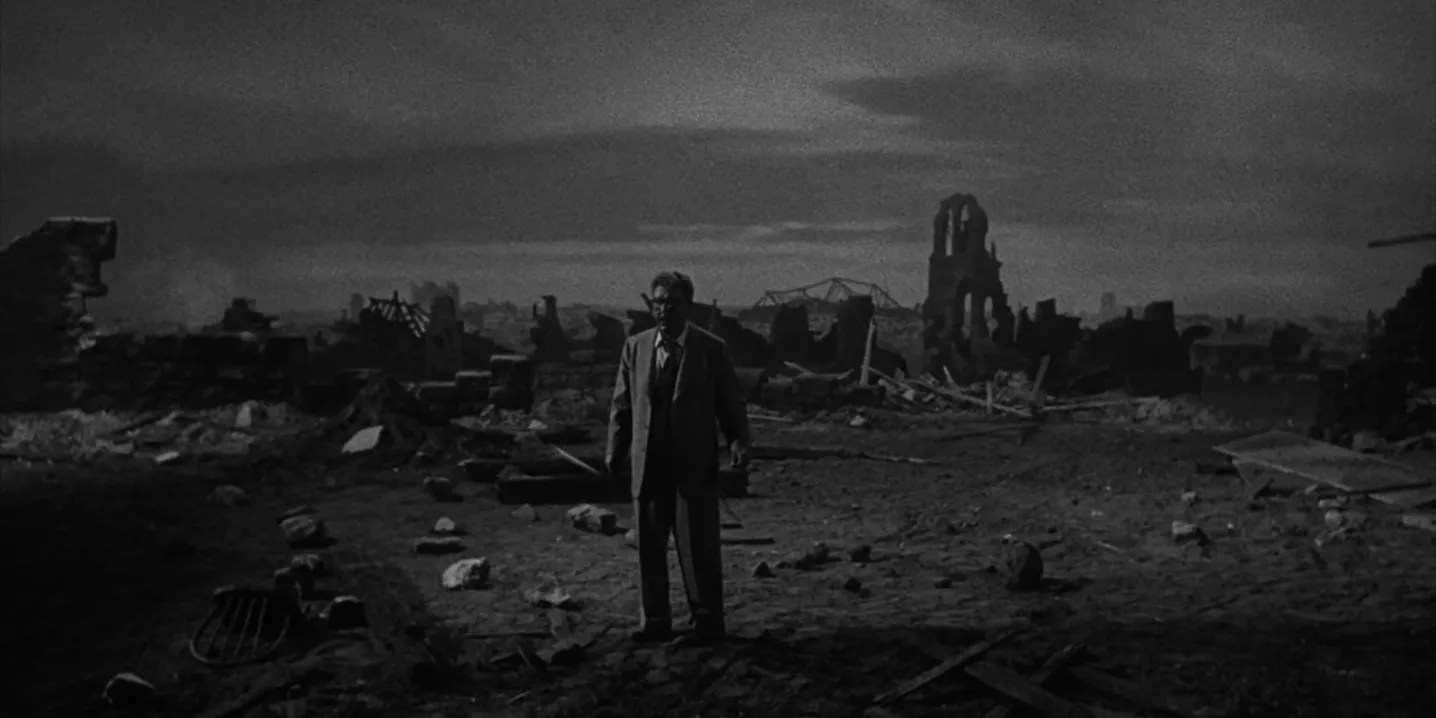
“Time Enough At Last” is one ofThe Twilight Zone’s most memorable installments. Rather than focusing on alien invaders or black magic, the episode foregrounds Henry Bemis, one of television’s most dedicated bookworms. Not even his wife’s incessant nagging can dissuade him from indulging in his hobby.
Luckily for Bemis, a nuclear war obliterates all other distractions. The world may be in ruins, but he can finally catch up on his backlog of books. Bemis’s initial jubilation is touching, although fans will know that it cannot last. Many episodes ofThe TwilightZoneinvite viewers to be careful what they wish for, but only “Time Enough At Last” showsthe tragedy of real solitude.

4"Perchance To Dream" (Season 1, Episode 9)
Many episodes ofThe Twilight Zonehave their roots in the short story form. Author Charles Beaumont would adapt several of his stories into episodes of the series, including “The Howling Man” and the sci-fi horror “Elegy”. His best twist, however, occurs in “Perchance to Dream”, in which an embattled man fears that he will die if he falls asleep.
“Perchance to Dream” beats Christopher Nolan’sInceptionto the punch by several decades with its exploration of dream states and the blurry boundary between sleep and wakefulness. The episode’s protagonist is haunted by visions of a seductive woman, Maya, whose advances threaten to trigger a heart attack. The hectic dream sequences are particularly well managed, and some critics have likened the episode toWes Craven’sNightmare on Elm Streetfranchise(though Craven himself disputes this link).
3"To Serve Man" (Season 3, Episode 24)
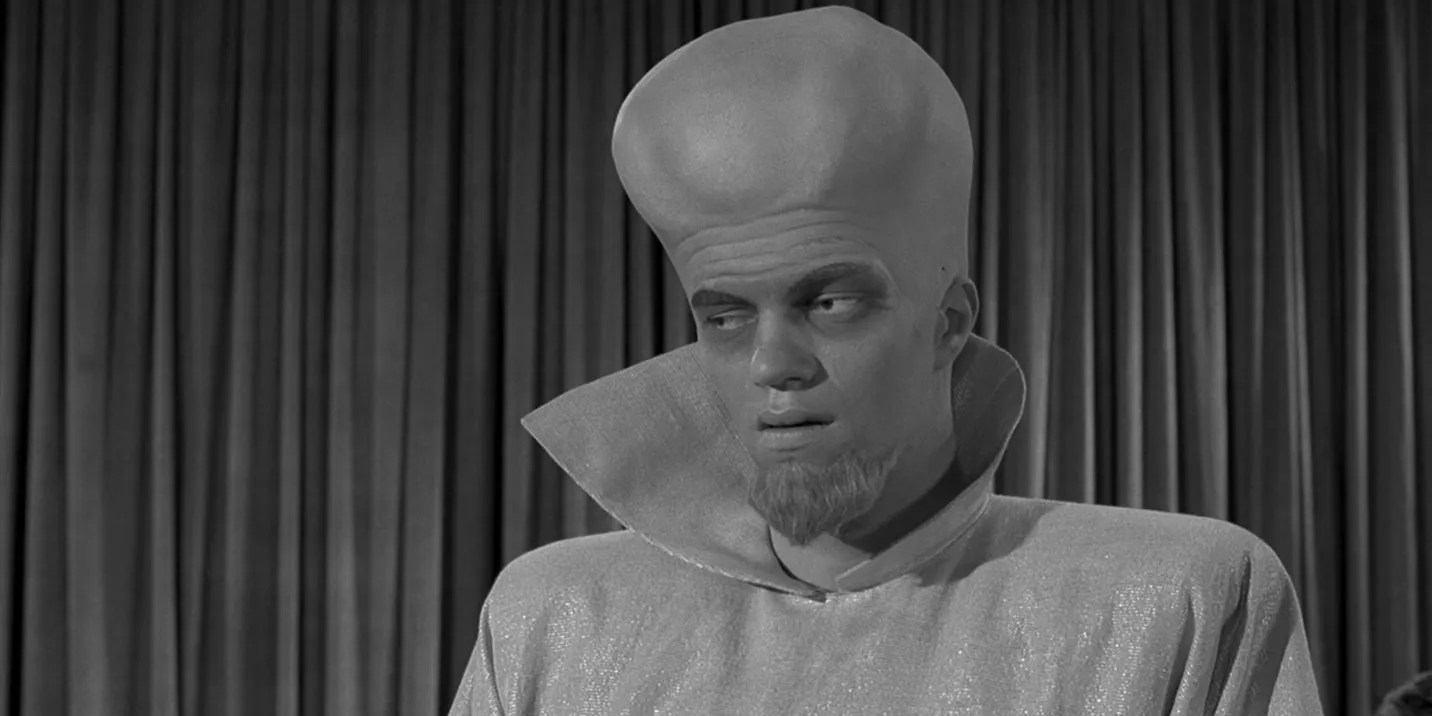
Appearances can be deceptive inThe Twilight Zone. Classic episodes like “It’s A Good Life” exploit this trope by delivering unexpected villains, while “To Serve Man” chooses instead to indulge in semantic trickery. After aliens make contact with the human race, politicians scramble to determine their intentions. They breathe a collective sigh of relief, however, when it becomes clear that the aliens are here, in their own words, “to serve man”.
The appeal of the episode’s twist lies in the fact that it is hiding in plain sight. The distinctive Kanamit’s real plans for the human race have been extensively referenced in popular culture,including inBuffy the Vampire Slayer. In 2019, Jordan Peele oversaw a sequel to the episode, “You Might Also Like”, demonstrating this classic tale’s continuing appeal—due in no small part to its memorable twist.
2"The After Hours" (Season 1, Episode 34)
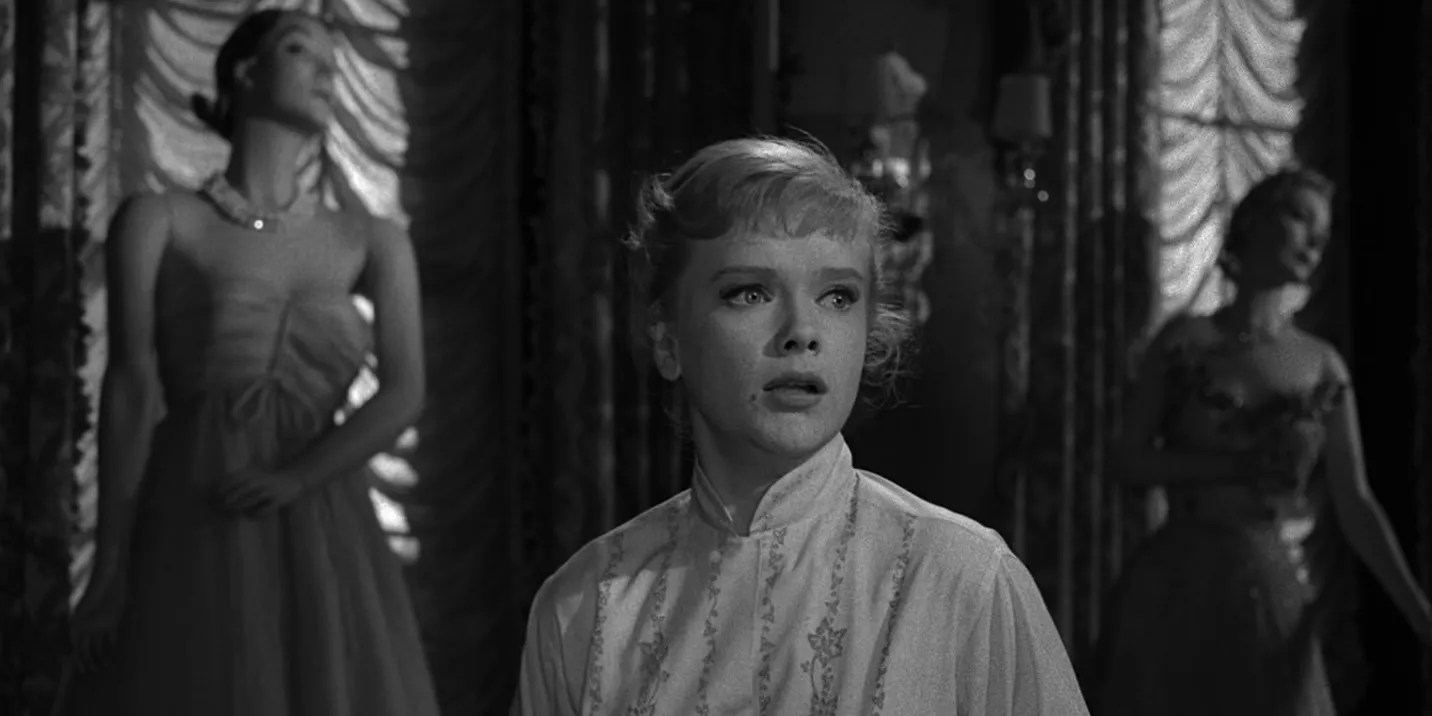
Commonly regarded as one ofThe Twilight Zone’s finest episodes, “The After Hours” is a spooky tale about a young woman, Marsha, and her visit to a seemingly normal department store.The Twilight Zonecan certainly be cerebral, but “The After Hours” is, at times, downright terrifying. The sequence in which Marsha wakens to find herself trapped in the store withonly the shop mannequins for companyplays on familiar fears to send a shiver down fans' spines.
It’s surprising, then, that this horror show ends with a remarkably wholesome twist. “The After Hours” can be revisited time and time again, if only to see how the episode foreshadows its ending in subtle and ingenious ways.

1"Eye Of The Beholder" (Season 2, Episode 6)
One thing is clear from the dialogue in “Eye of the Beholder”, and it is that the bandaged woman who rests in a hospital bed after extensive surgery is hideously ugly. As the episode unfolds, the viewers learn that she suffers from a rare birth defect that surgeons are trying desperately to remedy. This is her last chance to look normal—if it fails, she will be sent away to a camp for other abnormal individuals.
Yet it also becomes apparent that there is something very wrong with the society in which the woman lives. Conformity is considered an essential trait, and there is a distinctly shadowy quality to the professionals tasked with “healing” their patient. As with the bestTwilight Zonetwists, “The Eye Of The Beholder” has been the subject of numerous parodies, including aSaturday Night Livesketch featuringBaywatch’s Pamela Anderson as the bandaged patient andcomedian Norm MacDonaldas a Serling-like narrator.
