Many gamers knowJRPGsfor their turn-based combat. Players gather a party of heroes for an epic journey, level those heroes up, and strategically combine their gifts to defeat enemy teams. It’s a simple yet endearing formula. However, what happens if players don’t have a party?
Plenty ofrole-playing gamesfocus on one character. A number of these are JRPGs, but it’s uncommon for those RPGs to be turn-based. If the player only has a single combatant, then it theoretically limits the strategies available to them. Nevertheless, some titles manage to retain that finesse without the group dynamic.

7Last Ranker
This game is about a nomad who joins the military in hopes of rising through the ranks. He later defects to a rebel faction, fighting his former allies as well as another mob of ominous beings. That scenario seems ripe for group-based gameplay. Protagonist Zig is a member of various factions, but maybe that lack of loyalty is why he’s a loner.
Last Rankerplays out like a traditional turn-based RPG. The exception is that Zig is the only party member. The fights may seem unfair since enemies can confront him in batches of two or three. On the upside, Zig can attack multiple times depending on how full his SP meter is. Players will be glad to have this small advantage to keep encounters balanced.
6Final Fantasy 13
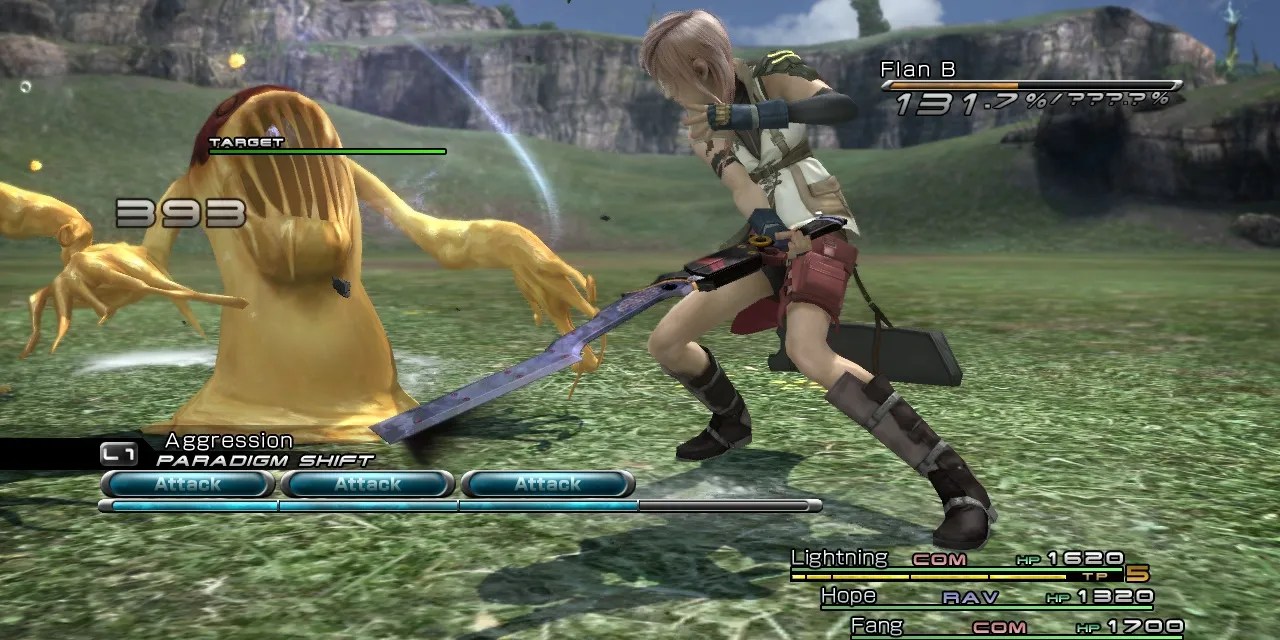
TheFinal Fantasyfranchise makes its name on party-based adventures, so it’s shocking that the thirteenth mainline entry does everything in its power to undermine that formula. Players technically have a party inFF13;they just can’t issue commands to that party. They only control the leader. The others attack on their own based on which battle formation is active. It’s less a command, and more of a polite suggestion.
RELATED:Mediocre JRPGs That Are Worth Playing Just For Their Endings
The third game takes that isolation further. ForLightning Returns, the pink-haired protagonist is on her own.She never liked her teammates anyway. She even fills their void in combat by swapping outfits, mirroring dress spheres fromFinal Fantasy 10-2. Ironically, this gives players more agency than with the party.
5Pokemon
This may not seem applicable at first.Pokemonsees playersbuild a party of pocket monsters. They help those monsters power up, unlock new attacks, and evolve into larger forms. They then battle other trainers to determine who’s the best. On the surface, gameplay is party-based.
In the end, though, fans simply control the human character. He or she does all the walking to reach the gyms and dungeons. During battles, the trainer gives commands toPokemon, dictating how they attack. Even then, only one is onscreen (excluding tag-team battles). This is all despite the franchise’s emphasis on friendship and bonding.

4Vagrant Story
This tale takes the solo experience to a new level. Not only doesVagrant Storyhave no party, but it also doesn’t have any NPCs to speak with. Warrior Ashley Riot finds himself framed for a political assassination. As such, everyone he meets wants to kill him. That paves the way forthe unorthodox battle system.
RELATED:Stressful JRPGs
Here, the strategy comes in not which party member to use, but in how Ashley utilizes his weapons. Players aim at a specific body part, and the damage varies depending on the weapon. Additionally, this determines how they go about the extensive modding system. In essence,Vagrant Storymakes up for its lack of allies by focusing specifically on one fighter’s nuances.
3Hybrid Heaven
At first glance,Hybrid Heavenlooks like a 3D adventure game with light platforming. Players run, jump, climb, crawl, and solve the occasional puzzle. Such titles are obviously solo affairs. The game remains so as protagonist Diaz/Slater navigates a subterranean lab, but that format changes when he encounters the experiments of said lab.
He then engages inturn-based kickboxing. Players choose to punch or kick, and they then determine which area on the body to aim for. Boxers don’t have backup, so Slater is on his own. Thankfully, so are enemies. Most fights are one-on-one bouts. This prevents things from becoming too crowded, allowing for a smooth transition back to the platforming adventure afterward.

2Yu-Gi-Oh: Reshef Of Destruction
TheYu-Gi-Ohfranchise has a similar premise asPokemon,and is nearly as popular in the West. Players wander around an anime world and challenge others for supremacy. The competition this time around is a trading card game, but it still involves monsters duking it out. That likeness doesn’t go unnoticed by developers.
RELATED:Yu-Gi-Oh! Game Tier List
It likely fueledReshef of Destruction. ThisGame Boy Advancetitle sees fans play throughthe show’s Battle City arc. It portrays these events like aPokemongame, complete with the top-down perspective and sprite-based style. More importantly, Yugi is all by his lonesome. Like any Pokemon trainer, he only has his pocket monsters to protect him. Too bad censors took out the guns.
1Dragon Quest
MostDragon Questgames involve a party. It’s a prototypical JRPG series in that sense. Unfortunately, that doesn’t apply to the first entry in the franchise. The originalDragon Questrevolves solely aroundthe player character. He doesn’t have any friends backing him up. He travels around the kingdom, saving its residents from monsters. This helps him accumulate experience to level up and boost his stats. Eventually, he’s strong enough to rescue the princess from the Dragonlord.
These principles are the same as countless other fantasy RPGs, particularlyDragon Questtitles. The only difference is that players only have to worry about one hero. Granted, this is hardly noticeable since combat unfolds through text messages. Fans see an image of the enemy, but they rarely glimpse the hero in the flesh. Perhaps they could imagine a fellowship for him.


