Summary
Nintendois constantly looking toward the next fun thing to bring to their millions of rabid fans. Over the years, the company has thought up a lot of interesting, out-of-left-field ideas that ended up being smash hits, and helped increating lasting memoriesfor those who enjoyed Nintendo’s consoles as kids.
They’ve also made a lot of baffling business decisions, with many of them being connected to the various strange features that have accompanied their many consoles. It seems that, as long as their players are having fun, there is no limit to how weird Nintendo is willing to get.

Gamecube
What Makes It Weird?
The addition of a handle on the back of the Gamecube was a welcome, albeitincredibly weird, addition. Carrying the console around like a briefcase had sort of a novelty to it. Unfortunately, there is no way to detach it, so it always protrudes, taking up space in the TV stand where the console will spend most of its time.
It was, admittedly, a sturdy handle, but it got very little play outside of LAN parties, or minor trips between the living room and the bedroom. Unsurprisingly, no Nintendo console has since incorporated this little feature.

Panasonic Q
Not to be mistaken for a karaoke machine,the huge Panasonic Qhad a rather sterile, metallic design, a bunch of extra buttons, and a media bar sticking out at the top of it. Despite how it looks, though, the system made an admirable attempt at bringing the GameCube closer to its contemporaries.
This meant it was a functional Nintendo console, with added CD and DVD support, with tons of buttons and a remote to control them. Unsurprisingly, the console was a dud, but it seemingly taught Nintendo a valuable lesson: Don’t try to be something they’re not.

Nintendo DS
Nintendo Wi-Fi Connection was a great earlyattempt at online multiplayerbetween handhelds, with players able to use the built-in microphone on the DS to chat with friends. This is something that would eventually become standard for handheld gaming devices, but at the time it was a unique feature.
Then, in true Nintendo fashion, things got a little wacky. Pretty much immediately, games began using the microphone for gameplay purposes. One of the most notable examples is the handful ofMario Party DSminigames requiring players to blow into the mic, or shout minor commands into it. As weird as it was, the built-in mic did serve a purpose. It was just weird at the time, and still is in the context of how modern built-in mics are used.

3DS
Upon the 3DS first being revealed, the slider that sat on the side of the top screen was, honestly, a bit unbelievable. How could such a tiny piece of hardware deliver a satisfying experience while incorporating 3D components that could beturned on and offat will? It was truly a beauty players had to see to believe.
The modern 3D craze was just getting started around the time of the 3DS’s release, so the technology was still working out its accessibility angle. As cases of motion sickness were hitting left and right, the 3DS said “if you don’t want it, don’t use it,” and made the slider able to shut the feature off in an instant.
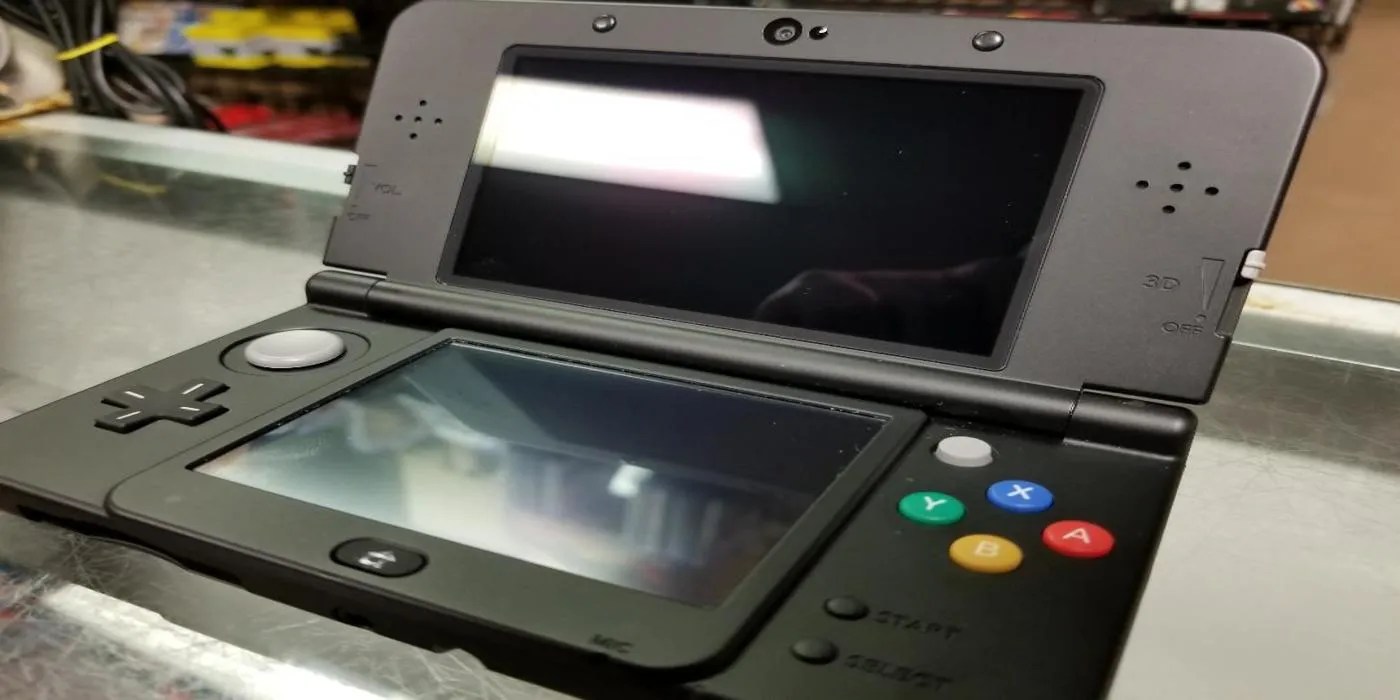
New 3DS
Not a lot of games require the New 3DS C-stick, and it takes a bit of getting used to, meaning it’s hard to argue for its necessity. Regardless, it’s really nice to have when playing heavy-hitters likeXenoblade Chronicleson the go.
Once players understand it, the cute little nub becomes a joy to use, with it not taking much force to whip the camera around. Just don’t expect to get a ton of nuance in movement, like with a home console analog stick. It was a major improvement over the nub of the PSP, but it still wasn’t a very precise control stick. Thankfully, very few games were designed around its use.

Wii
It’s hard to put a finger on just what made the Wii such a major success. A big part of it, though, had to have been the unique controls that the Wii remotebrought to the table. As weird as they were for the time, they were beyond easy to pick up and enjoy.
Swinging the Wiimote like a sword inTwilight Princess,or turning it like a steering wheel inMario Kartare amazing feelings, comparable to using VR for the first time. When paired with the nunchuck for movement, players can’t help but get completely immersed. It’s a feature that never should have caught on in the era of HD gaming, but somehow, it became legendary.

Virtual Boy
Nintendo definitely loves its gimmicks, and while some pan out in the most lucrative ways, some land flat on their face. The Virtual Boy, with its weird red interface (seriously, why was it so red?), falls somewhere close to the latter, as it was a major failure, but not necessarily because it didn’t do its job.
VR in the 90s was just a weird prospect, and definitely one that people were not ready to pay a premium for. Nintendo would come back to the idea later with the kid friendly Nintendo Labo VR Kit, but it’s safe to say that another true attempt at breaking into the space isn’t in the cards.

The Wii allowed players to create digital avatars that could be brought into games likeWii Sports Resortfor anadded layer of customization. But what if players want to take that little pal to a friend’s house and load it up onto their Wii for use in games over there? The process is as easy as saving their Mii to their controller.
It’s an extremely silly but super fun feature, especially when players reach their Mii Plaza and see a friend’s Mii walking around. They could look at it as a reminder of all the good times that were had, as long as they don’t mind the clutter on their menu.
